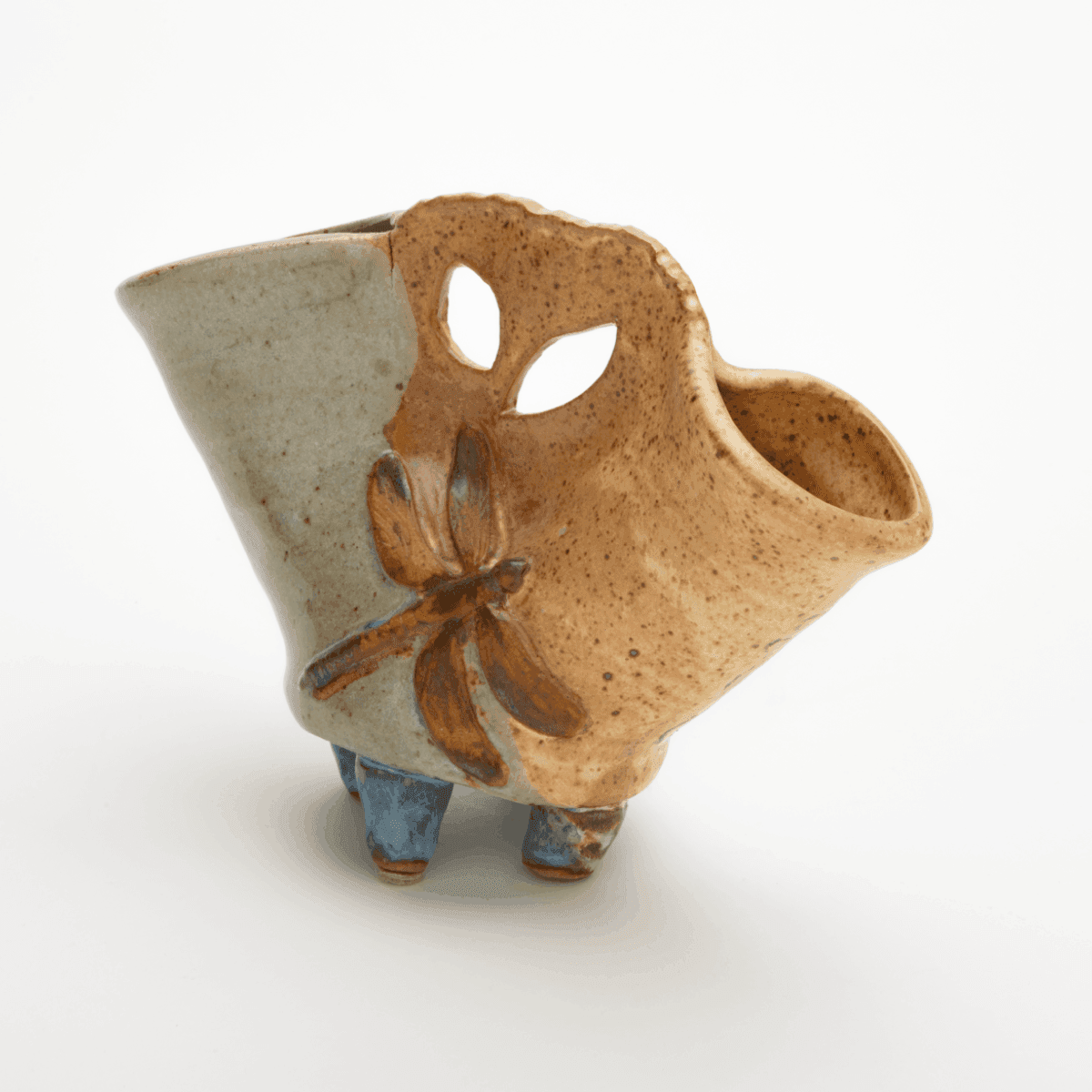
Forged in fire.
Shaped by time.

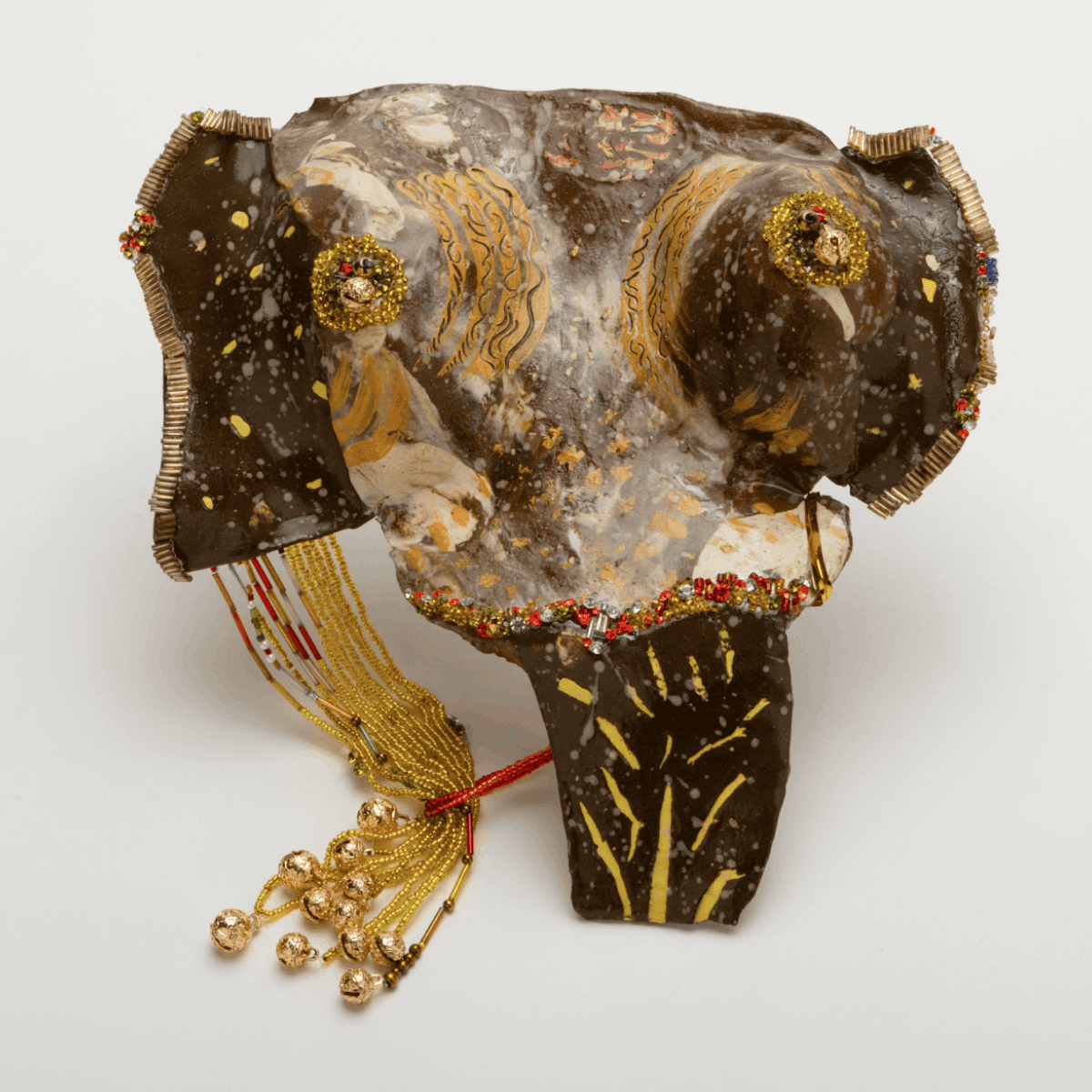
“I stopped searching for symmetry and started listening to the geology of the clay.”
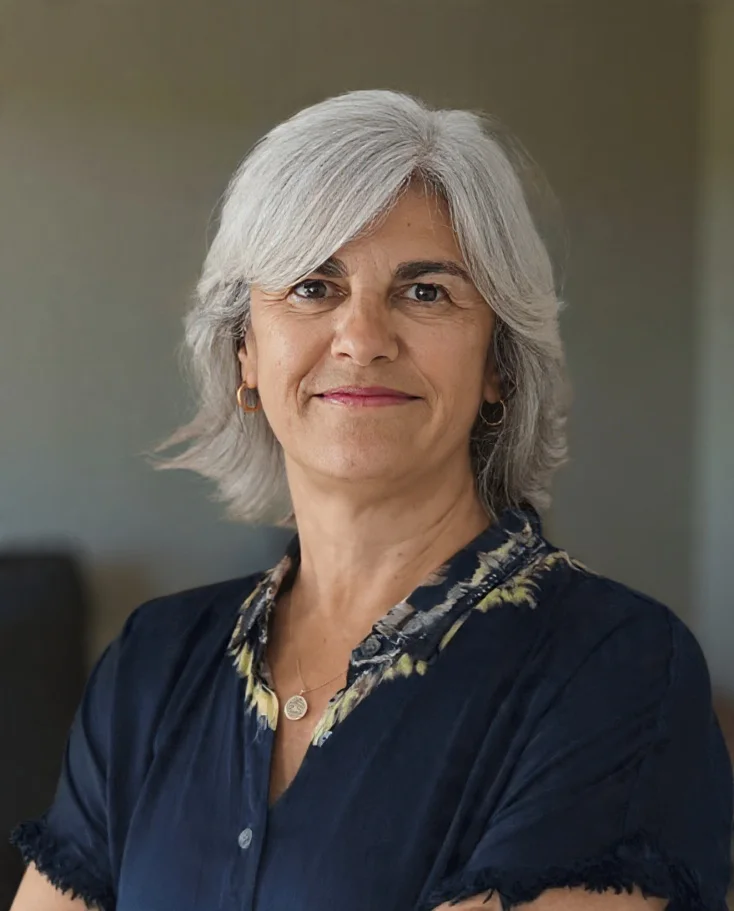
The Architecture of Earth
Beth M. Lee’s journey into ceramics did not begin at the potter's wheel, but at the drafting table. Trained originally in classical architecture, her early twenties were defined by rigid lines, structural mathematics, and the pursuit of flawless symmetry.
However, the permanence of concrete and steel eventually felt stifling. Seeking a medium that possessed its own inherent memory and unpredictability, she turned to raw earth. What began as a tactile escape rapidly evolved into a full-scale exploration of form, collapse, and tension.
The Coastal Atelier
Established in 2011, Beth's coastal studio serves as both a laboratory and an archive. Situated against a backdrop of weathering cliffs and eroding shorelines, the environment directly dictates her visual language.
She abandons commercial glazes in favor of wild-foraged materials. She collects iron oxide from rusted harbor chains, burns kelp for ash glazes, and mixes her own stoneware bodies to replicate the tactile feeling of pumice and volcanic rock.
A Global Presence
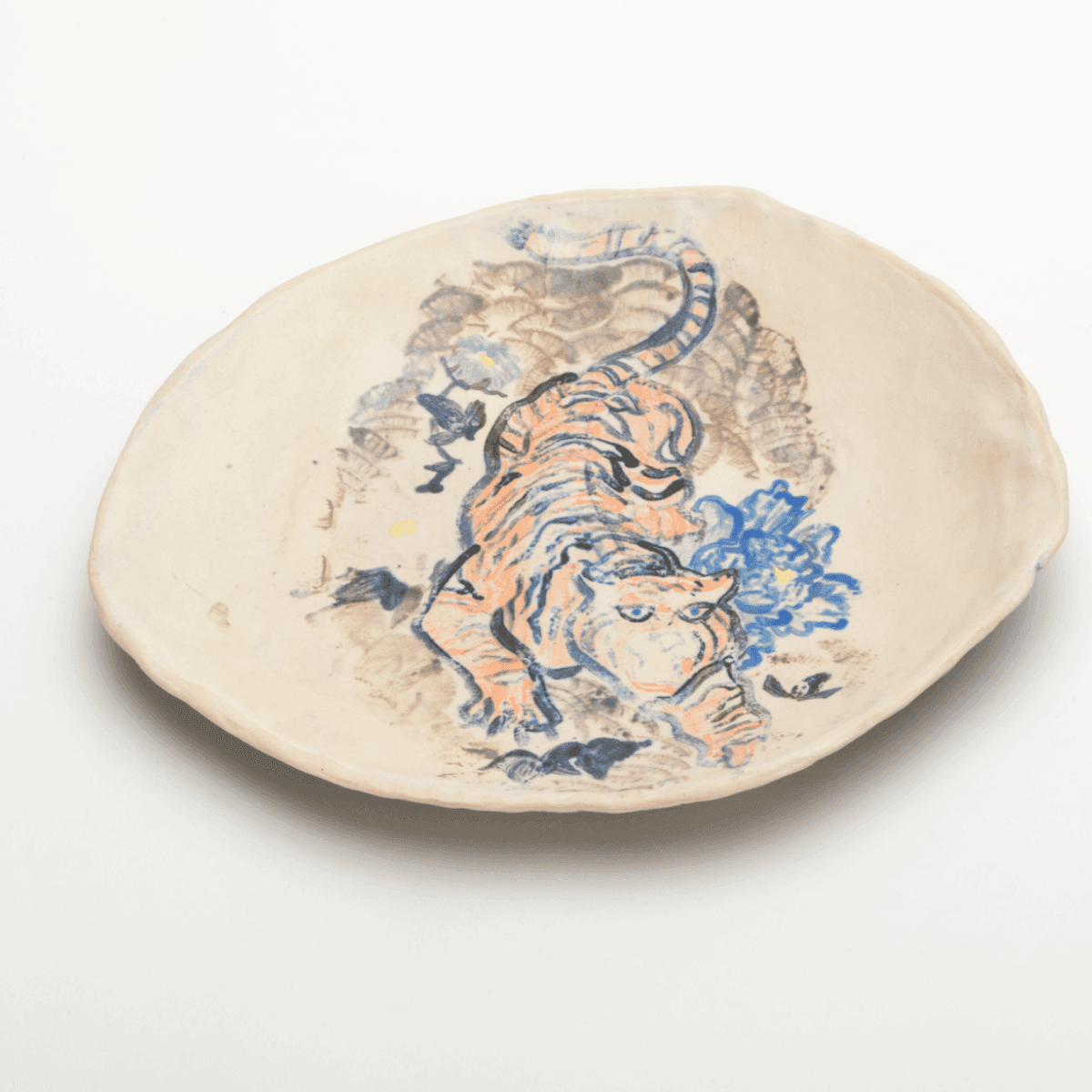
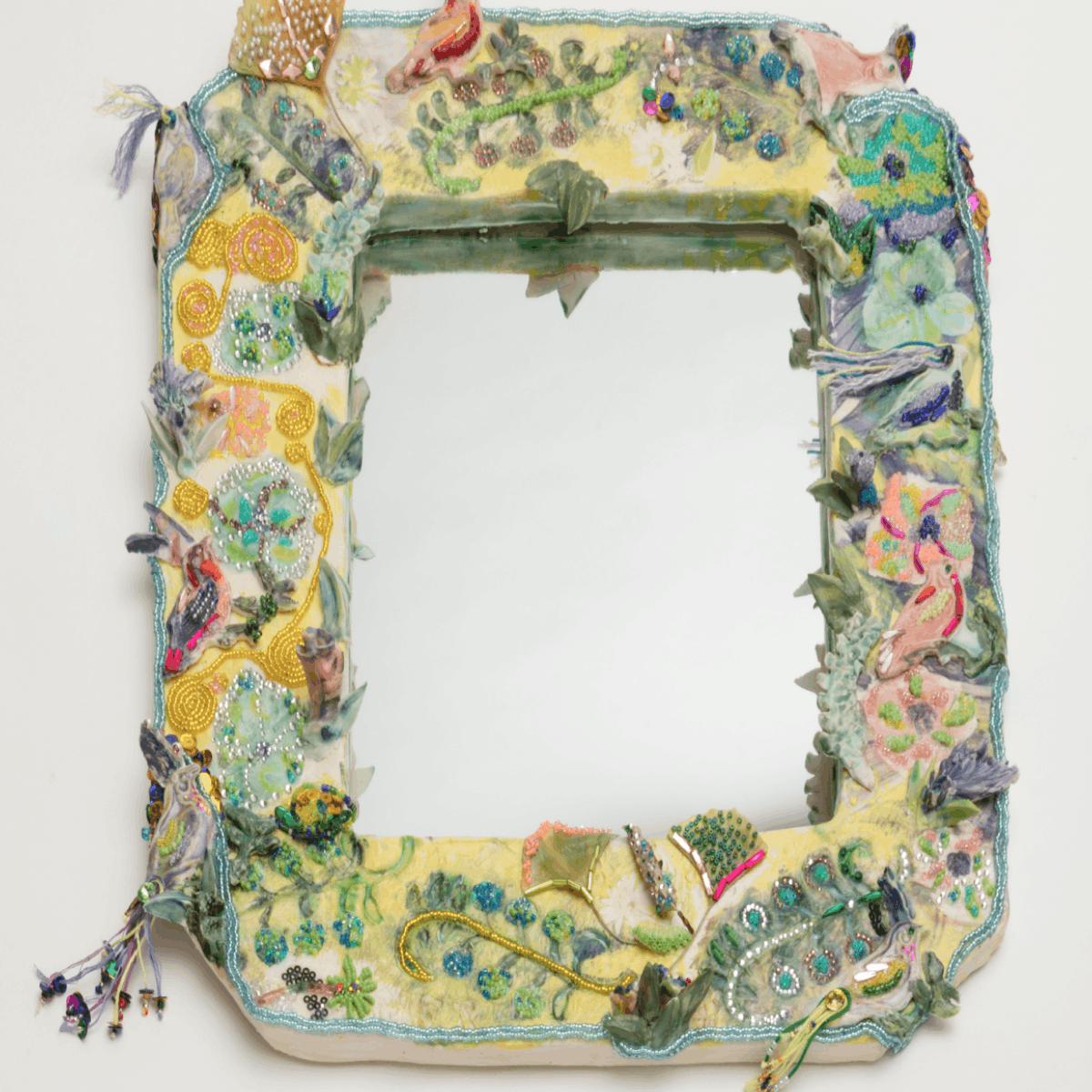
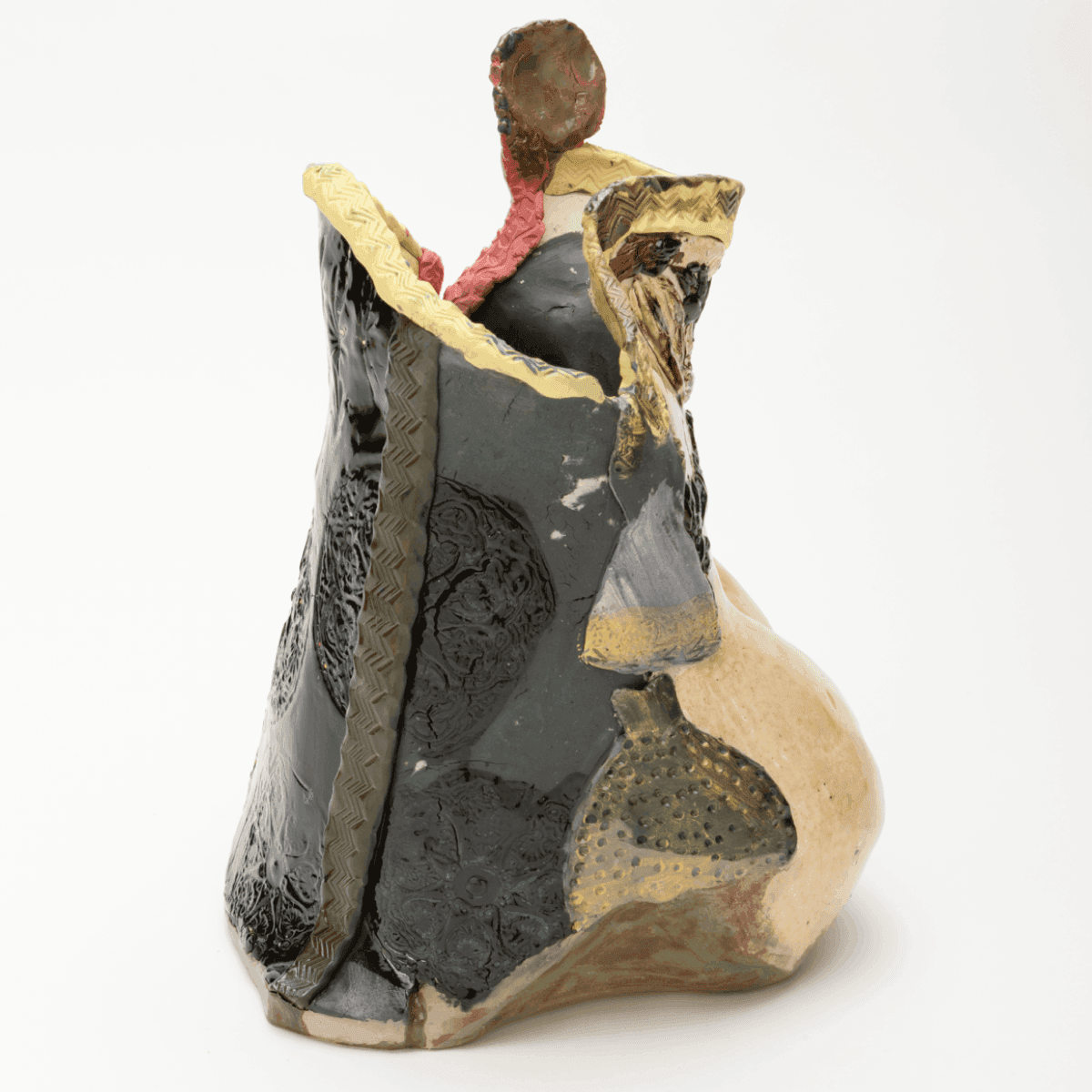
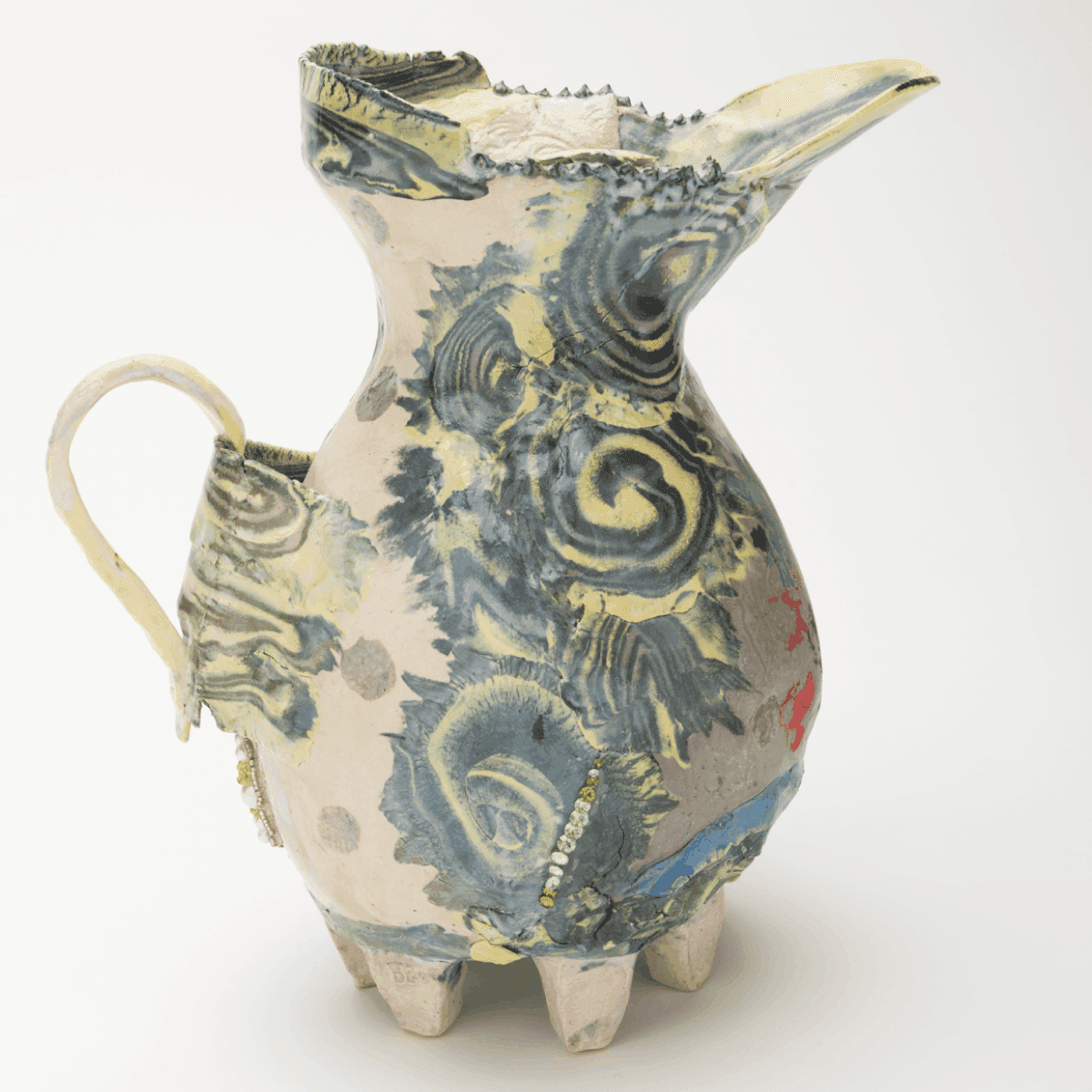
Today, her monumental vessels and textured sculptures are held in private collections across London, Tokyo, New York, and Paris. Each piece requires weeks—sometimes months—of hand-coiling, slow drying, and atmospheric firing.
She produces a strictly limited number of works annually, preferring to let the natural curing cycles of the clay dictate the pace of the atelier, ensuring that every artifact is a genuine collaboration between maker and material.
The alchemy of
ash and stone.